
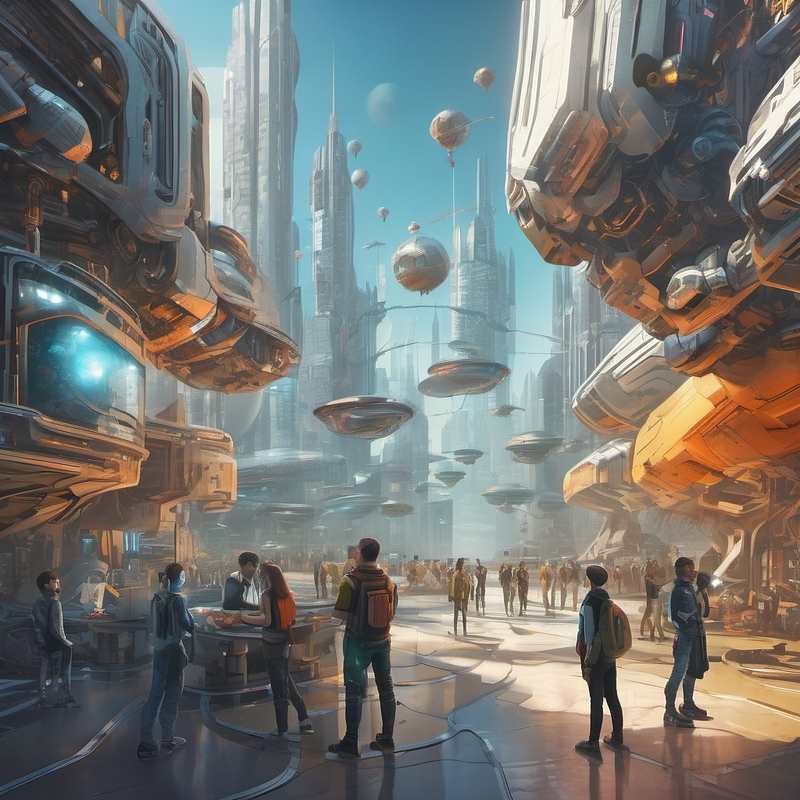
In recent years, the hypothesis that our reality might be a simulation has transitioned from the realms of science fiction to a topic of serious academic debate. This concept, often associated with thinkers like Nick Bostrom, posits that future civilizations might have the technology to run simulations that are indistinguishable from reality. If this is true, what does that mean for our moral standards? This article delves into the potential impacts of accepting our reality as a simulation on human ethics and morality.
Redefining Reality and Responsibility
The first major impact of embracing a simulated reality is the potential redefinition of what we consider “real.” If our experiences and interactions are merely products of a sophisticated computational process, the traditional bases for our ethical decisions — such as the intrinsic value of human life and the reality of suffering — might be called into question. Would knowing that our world is not the primary or “real” reality alter our sense of responsibility towards each other?
Moral Nihilism and its Dangers
One of the potential dangers of accepting the simulation hypothesis could be a drift towards moral nihilism. This philosophical viewpoint argues that nothing inherently matters, as all constructs of ethics and morality are ultimately baseless. If our pains and pleasures are simply data points in a simulation, does that diminish their significance? This line of thinking could lead to a lack of empathy and a dismissal of ethical behaviors, potentially resulting in a society where anything is permissible if it serves one’s interests within the simulation.
Enhanced Ethical Engagement
Conversely, awareness that we might be living in a simulation could lead to an enhanced ethical engagement. If we consider that our actions might be monitored or evaluated by an external observer (like those running the simulation), this could create a sort of “simulation panopticon.” People might choose to act more ethically if they believe their actions could have implications either in the simulation parameters or in a broader context they are not privy to.
Implications for Religious and Philosophical Thought
The idea that we are living in a simulation could intersect intriguingly with religious and philosophical beliefs. Many religions incorporate the concept of an all-seeing creator and a purposeful design, akin to a simulation scenario. Philosophically, if we accept our reality as a simulation, this could align with solipsistic ideas but also provide a modern context for ancient philosophical dilemmas, such as Plato’s allegory of the cave, where reality is perceived through a shadow-play.
The Ethics of Creating and Managing Simulations
Finally, if we are in a simulation, this raises significant ethical questions about the beings who created it. What responsibilities do these creators have towards the inhabitants of their simulations? Should they adhere to standards of non-interference, or do they have an ethical obligation to manage the simulation in a way that maximizes happiness or minimizes suffering? Moreover, if we ever develop the capability to simulate conscious beings, what moral standards would we be expected to uphold?
The possibility that we are living in a simulation presents profound challenges to our traditional understanding of ethics and morality. It forces us to question the very foundations of our moral values and confront the fluidity of what we accept as reality. Whether this leads to ethical nihilism or a more scrupulous adherence to moral principles largely depends on societal attitudes towards these philosophical challenges. As we continue to explore and understand this possibility, it becomes crucial to engage in deep and inclusive discussions about the ethical frameworks that should guide us, simulated or not.
Like My Work? Want an Easy Way to Support Me?
Hi there! If you’ve enjoyed my work why not click the link below and Buy Me A Coffee? It’s simple and coffee keeps my creative and intellectual juices flowing!
Just click on the button below and it’ll take you to my Buy Me A Coffee page. Thanks so much for reading and supporting me!