
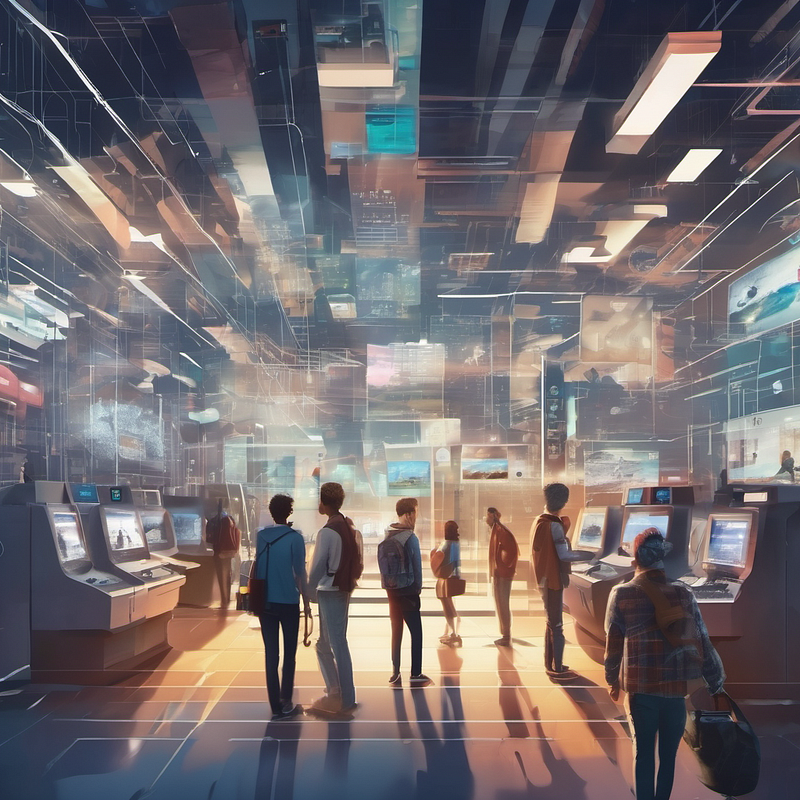
The Simulation Theory proposes a radical concept: that our reality is a computer-generated simulation. While this idea has captured the imagination of many, some argue that even if true, living in a simulation doesn’t fundamentally change a person’s reality. This article examines the notion that regardless of the nature of our existence, the experience of life remains fundamentally real to each individual.
Subjective Experience:
Central to the argument that living in a simulation doesn’t change our reality is the notion of subjective experience. Regardless of whether our reality is simulated or not, individuals still experience emotions, sensations, and consciousness. These subjective experiences are deeply personal and real to each individual, shaping their perception of reality.
Existential Experience:
The human experience is rich with existential questions and dilemmas, regardless of the nature of reality. Whether we exist in a simulation or not, individuals still grapple with questions of identity, purpose, and meaning. These existential concerns are intrinsic to the human condition and remain relevant regardless of the underlying nature of reality.
Impact on Daily Life:
Living in a simulation may not have a direct impact on the day-to-day experiences of individuals. People still go about their lives, pursuing goals, forming relationships, and navigating challenges, regardless of the larger metaphysical framework in which their reality exists. From the perspective of practicality, the nature of reality may not significantly alter the way individuals engage with the world around them.
Perception and Interpretation:
Perception plays a crucial role in shaping our understanding of reality. Whether our experiences are generated by a simulation or arise from a physical universe, individuals perceive and interpret the world through their senses and cognitive processes. The nature of reality may influence these perceptions, but it doesn’t diminish the validity of individual experiences.
Emotional Realness:
The emotions we experience, such as joy, sorrow, love, and fear, are undeniably real to us, regardless of the underlying nature of reality. Whether our reality is simulated or not, the emotional impact of our experiences shapes our lives in profound ways. These emotional realities are intrinsic to our humanity and remain unchanged by the theoretical framework of simulation theory.
While the Simulation Theory raises intriguing questions about the nature of reality, it may not fundamentally alter the lived experience of individuals. Subjective experiences, existential concerns, daily life activities, perception, and emotional realities are all aspects of human existence that remain deeply real and relevant, regardless of the larger metaphysical framework in which our reality exists. Whether we live in a simulation or not, the experience of life retains its inherent value and significance to each individual.
Like My Work? Want an Easy Way to Support Me?
Hi there! If you’ve enjoyed my work why not click the link below and Buy Me A Coffee? It’s simple and coffee keeps my creative and intellectual juices flowing!
Just click on the button below and it’ll take you to my Buy Me A Coffee page. Thanks so much for reading and supporting me!