
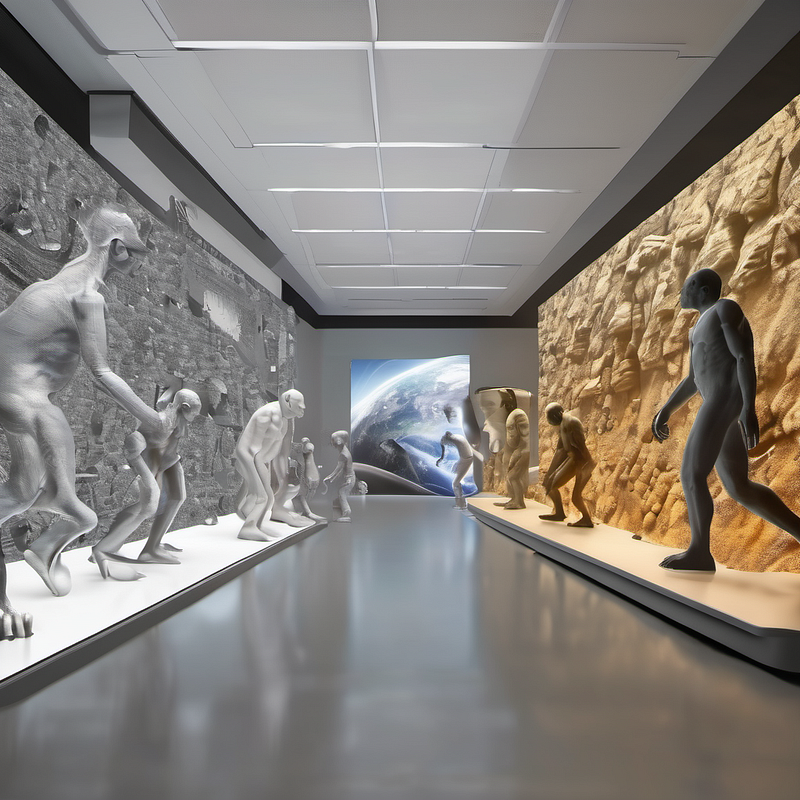
The theory that our reality is a simulated construct raises intriguing questions about the nature and purpose of evolutionary processes. Evolution, a cornerstone of biological understanding, takes on new dimensions when viewed through the lens of simulation theory. This article explores the implications of evolution within the context of a simulated reality, contemplating the purpose, design, and potential consequences of programmed progression.
Purposeful Design and Evolution:
If we exist within a simulated reality, the mechanisms of evolution might be a product of purposeful design rather than the blind processes of natural selection. The question arises: what is the intention behind the evolution of life forms within the simulation? Simulation theory posits that the creators may have programmed the unfolding of species, environments, and ecosystems, introducing an element of intentionality to the evolutionary narrative.
Directed Evolution and Simulated Ecosystems:
In a simulated reality, the evolution of species and the development of ecosystems could be a carefully crafted narrative. The creators might have implemented algorithms governing genetic mutations, environmental changes, and the interactions between species. This directed evolution could serve various purposes, from entertainment for the creators to complex simulations testing the adaptability of simulated life.
Adaptation to Simulated Environments:
The adaptive nature of evolution takes on new significance within a simulated context. If the environment is intentionally designed, species evolve not only in response to external pressures but also as part of a larger simulation scenario. The ability of organisms to adapt may be a key factor in the creators’ exploration of simulated life within different environmental challenges.
Emergent Complexity and Simulated Entities:
Simulation theory suggests that the complexity observed in the evolution of life may be an emergent property of the programmed code. The diversity of species, the intricacies of ecosystems, and the development of consciousness might be outcomes intentionally designed to enrich the simulated experience for the entities within the simulation.
Simulated Consciousness and Evolutionary Development:
If consciousness is a product of the simulation, the evolution of sentient beings takes on a profound dimension. The emergence of self-aware entities might be a deliberate stage in the simulated narrative, introducing complexity and a subjective experience of reality. Evolutionary processes could be tailored to guide the development of conscious entities within the simulated environment.
Simulation as an Experiment in Complexity:
Simulation theory raises the possibility that our reality is an experiment in complexity. Evolutionary processes may serve as a means for the creators to observe the unfolding of intricate life forms, the dynamics of ecosystems, and the emergence of intelligent beings. The simulation becomes a vast experiment, exploring the potential outcomes of programmed evolution.
Unanswered Questions and Ethical Considerations:
The implications of evolution in a simulated reality bring forth a host of unanswered questions and ethical considerations. If the evolution of life is intentionally designed, what responsibility do the creators bear for the experiences and suffering of the simulated entities? The ethical dimensions of playing the role of a simulator raise profound moral and philosophical queries.
Revelations and Awakening within the Simulation:
The simulated entities, as they evolve and develop consciousness, may experience moments of revelation or awakening. Existential questions about the nature of reality, purpose, and their place within the simulation could become intrinsic aspects of the simulated entities’ journey, adding a layer of complexity to the narrative.
The implications of evolution within a simulated reality challenge our conventional understanding of the natural world. If our existence is the result of intentional design, evolution becomes a carefully orchestrated process, offering insights into the motivations and goals of the simulation’s creators. As we contemplate the programmed progression of life forms and the emergence of consciousness, the narrative of evolution within a simulated reality unfolds as a captivating exploration of purpose, complexity, and the enigmatic nature of our existence.