
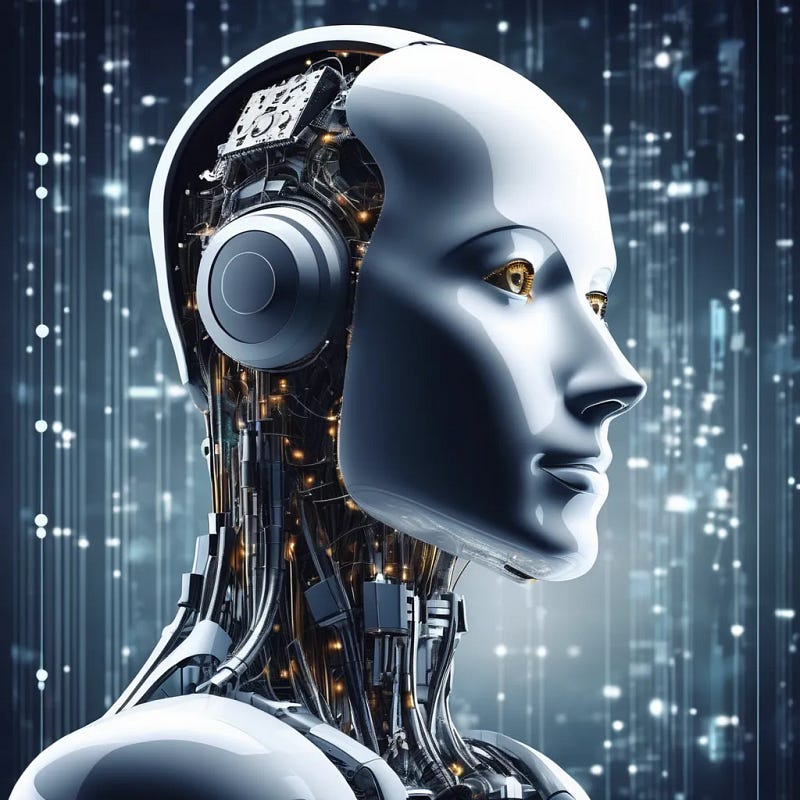
Artificial Intelligence (AI) has been hailed as one of the greatest technological advancements of the modern age, yet it’s often shrouded in suspicion and fear. Headlines warn of job displacement, ethical dilemmas, and dystopian futures driven by rogue AI systems. But is AI as nefarious as some claim? While these concerns warrant attention, they often overshadow the incredible potential of AI to transform society for the better. When wielded responsibly, AI can drive civilization-changing progress, enhancing industries and solving some of the world’s most pressing challenges.
In this article, we’ll explore the transformative power of AI, its incredible benefits, and why responsible use — with checks and balances — is critical to ensuring a brighter, more equitable future.
The Remarkable Potential of AI
Enhancing Productivity: More Than Just Automation
AI shines in automating repetitive and time-consuming tasks, revolutionizing industries like manufacturing, banking, and customer service. Robotic process automation (RPA) reduces human error and allows workers to focus on creative, strategic endeavors. In healthcare, AI-driven tools accelerate diagnostics and streamline administrative work, enabling practitioners to spend more time with patients. For example:
- Manufacturing: AI-powered robots assemble products with precision, minimizing defects and boosting output.
- Finance: Algorithms detect fraudulent transactions in real-time, protecting consumers and institutions.
- Customer Service: Virtual assistants provide 24/7 support, reducing response times and enhancing customer satisfaction.
Healthcare Revolution: Saving Lives with Algorithms
The medical field is undergoing a renaissance thanks to AI. Machine learning models detect diseases earlier, craft personalized treatment plans, and expedite drug discovery. Technologies like DeepMind’s AlphaFold are unraveling complex protein structures, opening doors to cures for previously untreatable diseases. And in under-served areas, AI-powered diagnostic tools are closing gaps in healthcare access, potentially saving countless lives. Key advancements include:
- Early Detection: AI identifies signs of cancer, heart disease, and other conditions from medical imaging with unprecedented accuracy.
- Drug Development: AI reduces the time and cost of bringing new medicines to market.
- Telemedicine: Remote consultations powered by AI ensure patients in rural areas receive timely care.
Global Solutions: Tackling Humanity’s Biggest Challenges
AI isn’t just about convenience — it’s helping address critical global issues:
- Climate Change: AI optimizes energy use, predicts weather patterns, and enhances agricultural efficiency. For example, smart grids powered by AI balance energy demand and supply in real time.
- Food Security: Precision farming powered by AI boosts crop yields, minimizes waste, and promotes sustainability. Sensors and drones monitor soil health and crop conditions to ensure optimal harvests.
- Disaster Response: AI algorithms analyze satellite data to predict natural disasters and coordinate life-saving relief efforts. Early warning systems powered by AI help evacuate vulnerable populations.
Transforming Education: A New Era of Learning
With platforms like Duolingo and Khan Academy, AI personalizes education, adapting to each student’s pace and needs. This democratization of learning ensures quality education reaches everyone, regardless of geography or economic standing. Additional benefits include:
- Custom Curricula: AI tailors lesson plans to individual learning styles.
- Real-Time Feedback: Students receive instant assessments, helping them correct mistakes immediately.
- Access for All: AI-powered tools translate content into multiple languages, breaking down barriers to education.
Empowering Accessibility
For individuals with disabilities, AI offers newfound independence. Tools like speech-to-text, computer vision, and navigation aids are breaking down barriers, enabling users to fully engage with their environments and communities. Specific applications include:
- Hearing Impairments: Real-time captioning and sign language recognition enhance communication.
- Visual Impairments: AI-driven apps describe surroundings and read text aloud.
- Mobility Challenges: Autonomous vehicles and robotic assistants improve accessibility.
Navigating Concerns: Ensuring Responsible AI Use
While the benefits are undeniable, AI’s rapid evolution raises valid concerns. To fully harness its potential, we must prioritize responsible development and implementation.
Ethical AI: Building Trust Through Principles
Organizations must commit to ethical AI frameworks emphasizing fairness, transparency, and accountability. Initiatives like Google’s AI Principles and the EU’s Ethics Guidelines for Trustworthy AI provide benchmarks for navigating the complex ethical terrain. Key priorities include:
- Fairness: Ensuring AI systems do not perpetuate bias or discrimination.
- Transparency: Making algorithms understandable and decisions traceable.
- Accountability: Establishing clear lines of responsibility for AI outcomes.
Job Displacement: A Challenge, Not a Crisis
Automation does pose a threat to certain jobs, but it also creates opportunities. Investments in skill advancement and retraining workers are essential to preparing the workforce for an AI-driven economy. Additionally, new industries, such as AI development and data ethics oversight, are emerging, offering fresh avenues for employment. Solutions include:
- Training Programs: Governments and corporations should collaborate to provide accessible training in AI-related fields.
- Transition Support: Workers displaced by automation must receive financial assistance and career counseling.
- Entrepreneurship Opportunities: AI lowers barriers to entry for small businesses, fostering innovation.
Transparency: Shedding Light on Black Boxes
Trust in AI systems hinges on their explainability. Black-box algorithms — where decision-making is opaque — must be supplemented or replaced with comprehensible models. Transparency ensures that AI is used equitably and responsibly. Steps to achieve this include:
- Open Source Models: Sharing AI code and methodologies fosters collaboration and trust.
- Explainable AI (XAI): Tools that make AI decisions interpretable for users and regulators.
- Public Education: Raising awareness about how AI works and its limitations.
Data Privacy: Safeguarding Personal Information
AI systems rely on vast amounts of data, making robust privacy measures imperative. Encryption, anonymization, and clear data policies ensure that user information is protected, fostering trust and security. Key measures include:
- Regulations: Laws like GDPR enforce stringent data protection standards.
- Secure Systems: Employing advanced encryption and cybersecurity protocols.
- User Control: Giving individuals the power to manage their data.
Inclusivity: Designing for Everyone
AI systems must reflect the diversity of the populations they serve. By training models on inclusive datasets, developers can prevent biases and ensure equitable outcomes for all users. Strategies include:
- Diverse Datasets: Incorporating data from various demographic groups.
- Bias Audits: Regularly testing AI systems for unintended biases.
- Community Input: Engaging stakeholders in the development process.
A Civilization-Changing Technology
When wielded responsibly, AI has the power to reshape society. Imagine:
- Universal Healthcare: AI-powered telemedicine providing affordable care to under-served populations.
- Sustainable Cities: Smart cities optimizing energy use and reducing traffic congestion.
- Global Peace: AI systems analyzing complex geopolitical data to promote international cooperation.
- Scientific Breakthroughs: Accelerated research in genomics, renewable energy, and quantum physics.
- Enhanced Creativity: AI collaborating with artists, writers, and musicians to push the boundaries of human expression.
The Path Forward: Collaboration and Accountability
AI is neither a hero nor a villain — it’s a tool that reflects the intentions of its creators and users. To ensure its benefits outweigh its risks, collaboration between governments, industries, and civil society is essential. Clear regulations, independent oversight, and continuous dialogue about ethics must guide AI’s development.
With proper checks and balances, AI can be a catalyst for unprecedented progress, solving humanity’s greatest challenges and ushering in a new era of innovation and prosperity. Let’s not fear the future — let’s shape it responsibly.
Like My Work? Want an Easy Way to Support Me?
Hi there! If you’ve enjoyed my work why not click the link below and Buy Me A Coffee? It’s simple and coffee keeps my creative and intellectual juices flowing!
Just click on the button below and it’ll take you to my Buy Me A Coffee page. Thanks so much for reading and supporting me!