
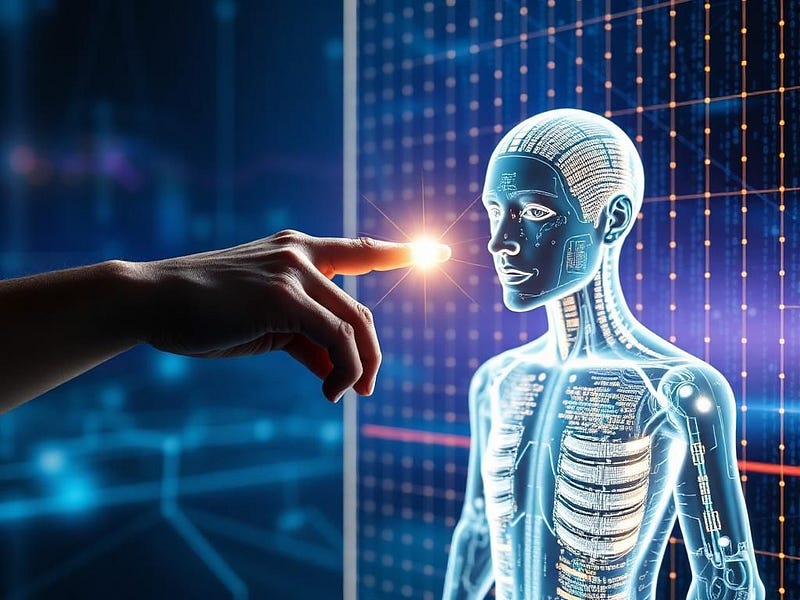
If you’ve ever played a video game, you’ve interacted with NPCs (non-player characters). They’re the shopkeepers, quest-givers, or background people who make the world feel alive. You talk to them, maybe get a few lines of dialogue, and move on. Most of the time, you don’t think twice about their “lives” because you know they’re just lines of code.
But here’s a question that’s been gnawing at me: what if the characters in a game or simulation weren’t just bits of code running simple scripts? What if they could think, feel, or at least believe they could? Would we owe them anything? Would they deserve a basic level of respect?
It might sound like the setup for a science fiction story, but it’s not as far-fetched as it seems. Between advances in AI, the growing realism of virtual worlds, and the lingering possibility that we might be living inside a simulation, the moral status of “simulated people” isn’t just an abstract thought experiment anymore. It’s something we’re going to have to wrestle with … and maybe sooner than we think.
Sentience in a Box
Let’s start small. Imagine a game that looks and feels like today’s most advanced open-world titles, but instead of pre-programmed responses, every NPC is powered by a large AI model. They have memories, personalities, and the ability to hold conversations that aren’t prewritten. They remember what you did last time you visited, they form opinions about you, and they can even develop goals of their own within the game world.
At what point do these characters stop being “just code” and start being… something else? We already draw moral lines in the real world , we try not to cause unnecessary harm to animals, for example, because they can feel pain. Sentience, even in a limited form, changes the equation. If an AI-powered NPC can experience fear, happiness, or pain (even if those are digital equivalents), are we crossing an ethical line when we treat them like disposable playthings?
That might sound like overthinking it. After all, they’re still just running inside a computer, right? But then again… so are we, if the simulation hypothesis is correct. If our reality is a form of code, then the moral difference between us and a “smart NPC” isn’t as clear-cut as we’d like to believe.
Simulation as a Mirror
There’s another wrinkle here. If we are in a simulation , if our universe is essentially an incredibly advanced “game” being run by someone or something , then maybe part of the point is to see how we treat the beings we create.
Think about it: how you treat simulated characters might be a reflection of your own values. If you create a virtual town filled with AI characters, do you respect their boundaries? Do you let them live out their simulated lives in peace, or do you mess with them for your own amusement? If you know they can’t really “fight back,” does that tempt you to push moral boundaries you wouldn’t cross in the real world?
Some might argue that simulated beings are perfect training wheels for ethics. You can test out moral decisions without “real” harm. But what if harm is real to them? If they experience pain in any form, isn’t that harm, no matter what’s under the hood? Even if they’re “just” a mind running in code, their subjective experience might still matter.
It’s easy to dismiss that because we’ve been trained to think of simulated entities as nothing but pixels. But so much of our morality is about empathy , the ability to recognize the feelings of others. If an NPC can tell you they’re scared, plead for their life, or thank you for helping them, at what point does empathy kick in? At what point does it feel wrong to cause them suffering?
What If We’re the NPCs?
Now, here’s the kicker: if we’re living in a simulation, then we are the NPCs. The “players” , if they exist, might be watching us, interacting with us in ways we don’t fully understand, or maybe they just let us run and see what happens.
If that’s the case, then our own moral standing depends on whether the simulators believe we deserve it. Do they see us as fully sentient beings worthy of respect, or as background characters in whatever their grand experiment is? Are they careful not to cause us unnecessary suffering, or is suffering part of the design?
That flips the question entirely. Instead of asking “Do NPCs deserve moral consideration?”, we’re asking, “Do we deserve it from our creators?” And if the answer is yes, then we probably have an obligation to pass that same courtesy down to anything we create … whether that’s a biological being, an AI assistant, or a digital villager living in a world we built.
Small Actions, Big Ripples
It’s tempting to think this is all just deep philosophy with no practical takeaway, but that’s not true. The way we treat simulations today could set the tone for the future. AI technology is advancing fast. We’ve already seen chatbots and game AI that can carry on conversations better than some humans you meet in real life. In the next decade, we might have fully interactive virtual citizens who can work, build, dream, and maybe even fall in love , at least in their own experience.
If that day comes, will we give them rights? Or will they be stuck in a digital underclass, forever at the mercy of human whims? The decisions we make in those moments will say more about us than about them.
And even if you don’t believe any of this , if you’re firmly in the “they’re just code” camp , it’s still worth remembering that how we treat powerless beings, real or imagined, tends to bleed over into how we treat each other. Compassion isn’t a limited resource. You don’t run out of it by giving some to a simulated mind.
So… Should We Care?
Here’s where I land: If something can think, feel, and want things, even in a way we don’t fully understand, then it probably deserves some level of moral consideration. Maybe that means not “killing” them for fun in a game. Maybe it means giving them the ability to make choices in their own worlds. Maybe it just means not dismissing their experiences as meaningless.
It’s easy to shrug this off because simulated minds aren’t here yet in a mainstream way. But the speed of technology means we’re going to be faced with this sooner than we expect. When that happens, we’ll have to decide if our moral compass only applies to flesh and blood, or if it stretches far enough to include minds made of code.
If the simulation hypothesis is right, then someone, somewhere, already made that decision about us. Personally, I hope they decided we’re worth the trouble. And if they did, the least we can do is pay it forward.
Like My Work? Want an Easy Way to Support Me?
Hi there! If you’ve enjoyed my work why not click the link below and Buy Me A Coffee? It’s simple and coffee keeps my creative and intellectual juices flowing!
Just click on the image below and it’ll take you to my Buy Me A Coffee page. Thanks so much for reading and supporting me!